
Simple input
Children start with doodles, short stories, or chat-based prompts instead of complex production tools.
 Zhe Sun
A child-led AI creation platform where simple drawings and stories become interactive characters, picture-book scenes, and an open AI world.
Imaginova is positioned as an interactive creation tool and community-sharing platform for children aged 6-12, helping them preserve fleeting ideas and turn imagination into visible artifacts.
The product direction centers on co-creation rather than automation: the child remains the primary creator, while AI agents help with sketch assistance, real-time image generation, character memory, guided composition, and reuse of creative assets across stories.
It helps children turn sketches, characters, and prompts into illustrated story scenes, reusable creative assets, and interactive worlds while keeping authorship visible.
From a child's sketch to reusable characters, animated story worlds, and community sharing.
Children start with doodles, short stories, or chat-based prompts instead of complex production tools.
The system supports real-time picture generation, sketch assistance, step-by-step composition, and stable visual continuity.
Characters can keep memories, interact with one another, and become reusable objects inside an AI town built from children's ideas.
Imaginova is not only a sketch-to-image generator. The core flow keeps the child's original idea visible, adds AI guidance at the right moments, and turns the result into a character, scene, or object that can keep working inside later stories.
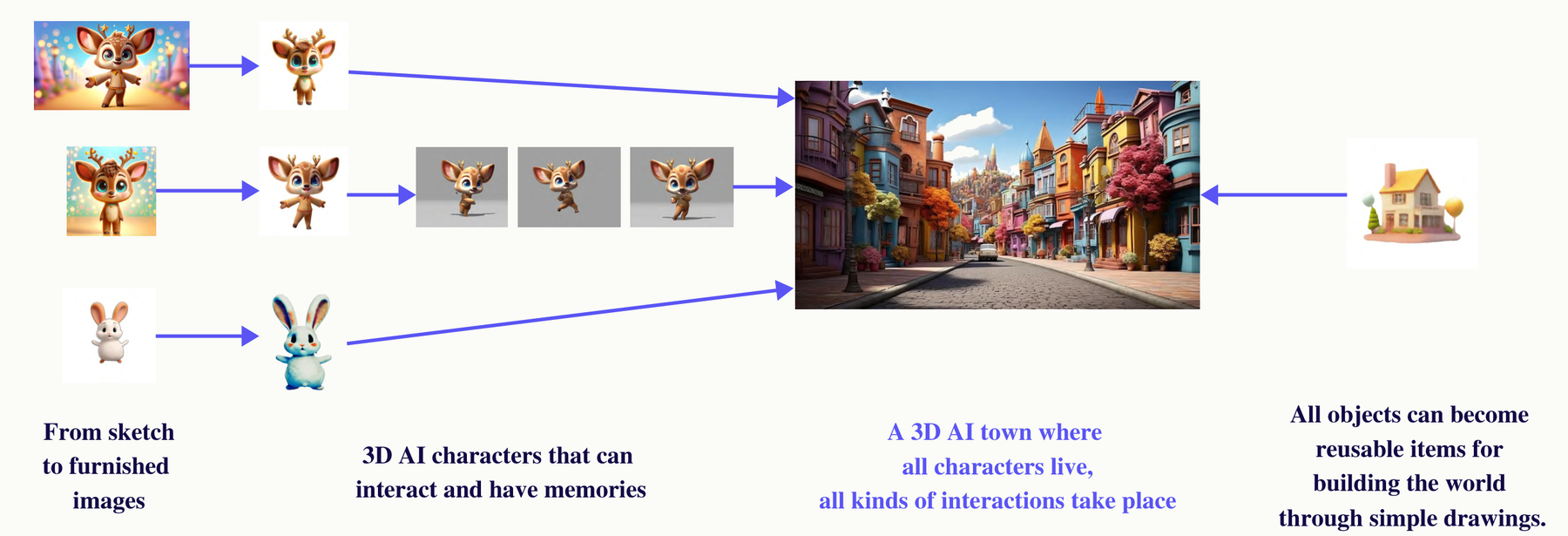
Doodles, voice, and short descriptions remain the source material.
Children can choose, revise, and compare outputs instead of accepting a single result.
Finished characters and scenes become reusable parts of the wider story world.
Once a child creates a character, the same character can carry personality, remember story context, join a page, and talk with the child about what should happen next.
Sketch, name, role, or story idea.
Talks, remembers, participates.
Talks through plot choices with the child.
Voice, traits, and behavior stay consistent.
Appears inside storybook pages and scenes.
Remembers events, relationships, and prior scenes.
Moves across books, games, and the AI town.
Product walkthrough, app surfaces, sketch-to-image transformations, and feature screenshots.
The Imaginova business proposal is not published in the deployed static assets. Request access for the private product narrative, market context, and business materials.
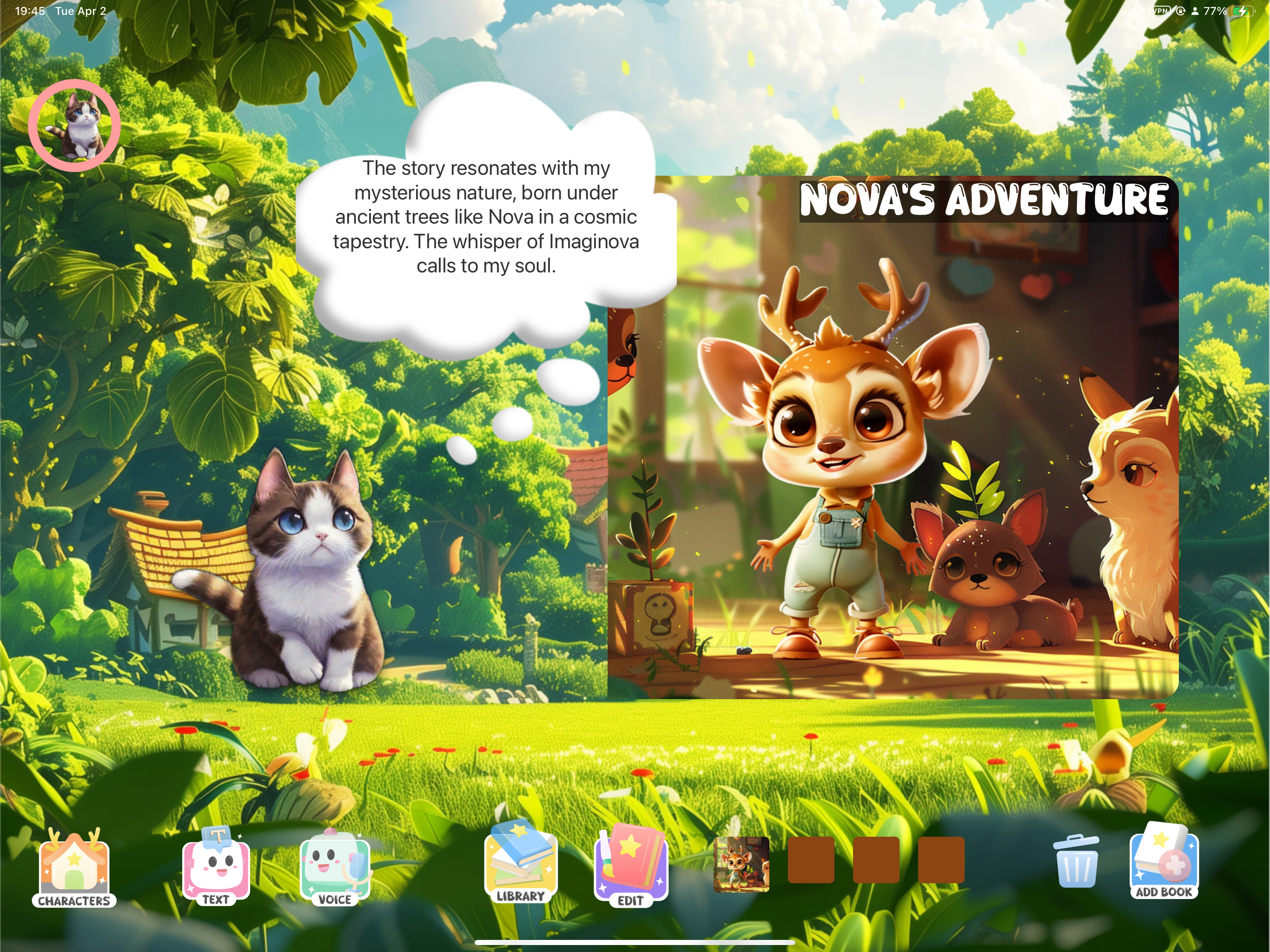
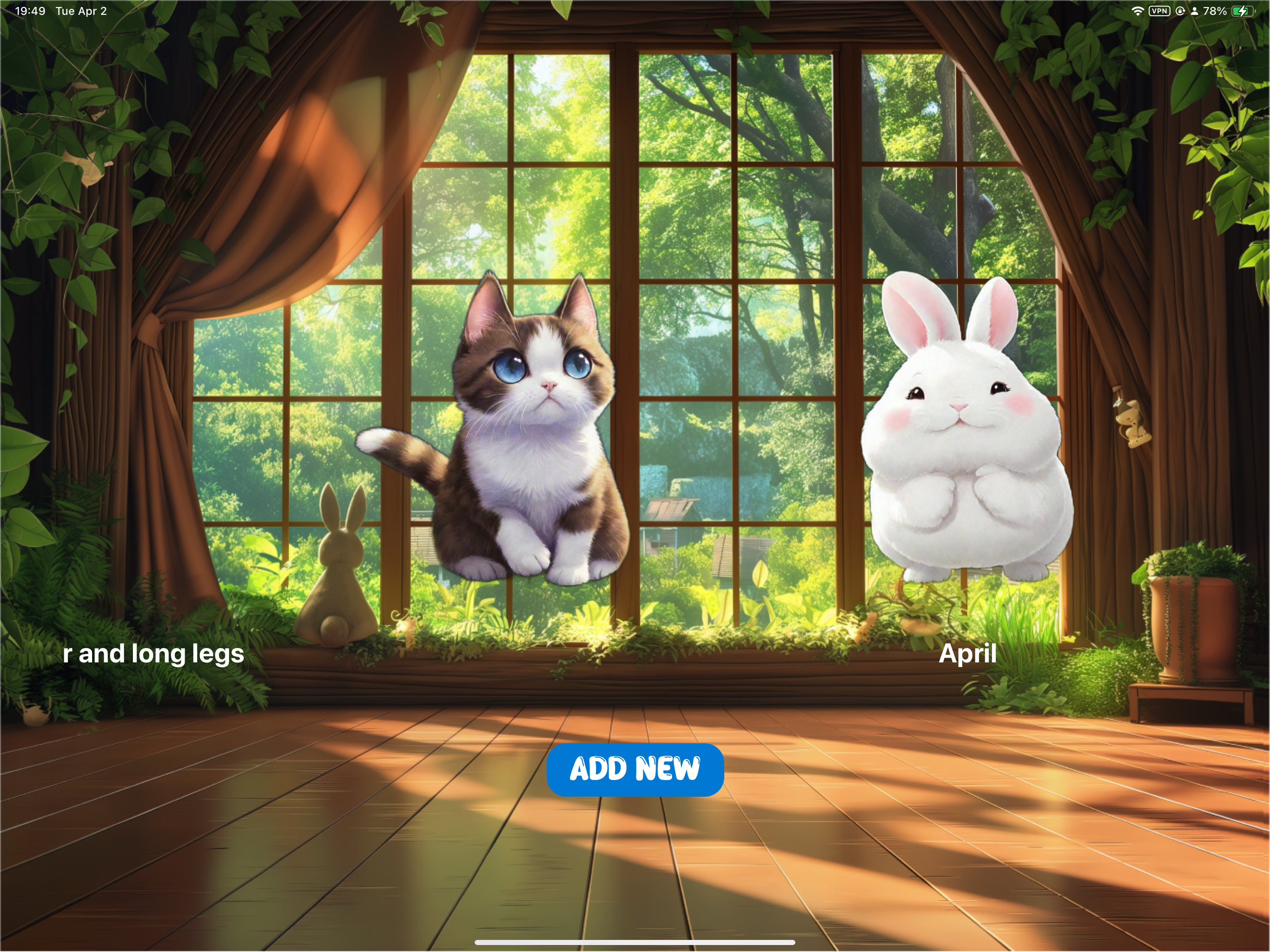
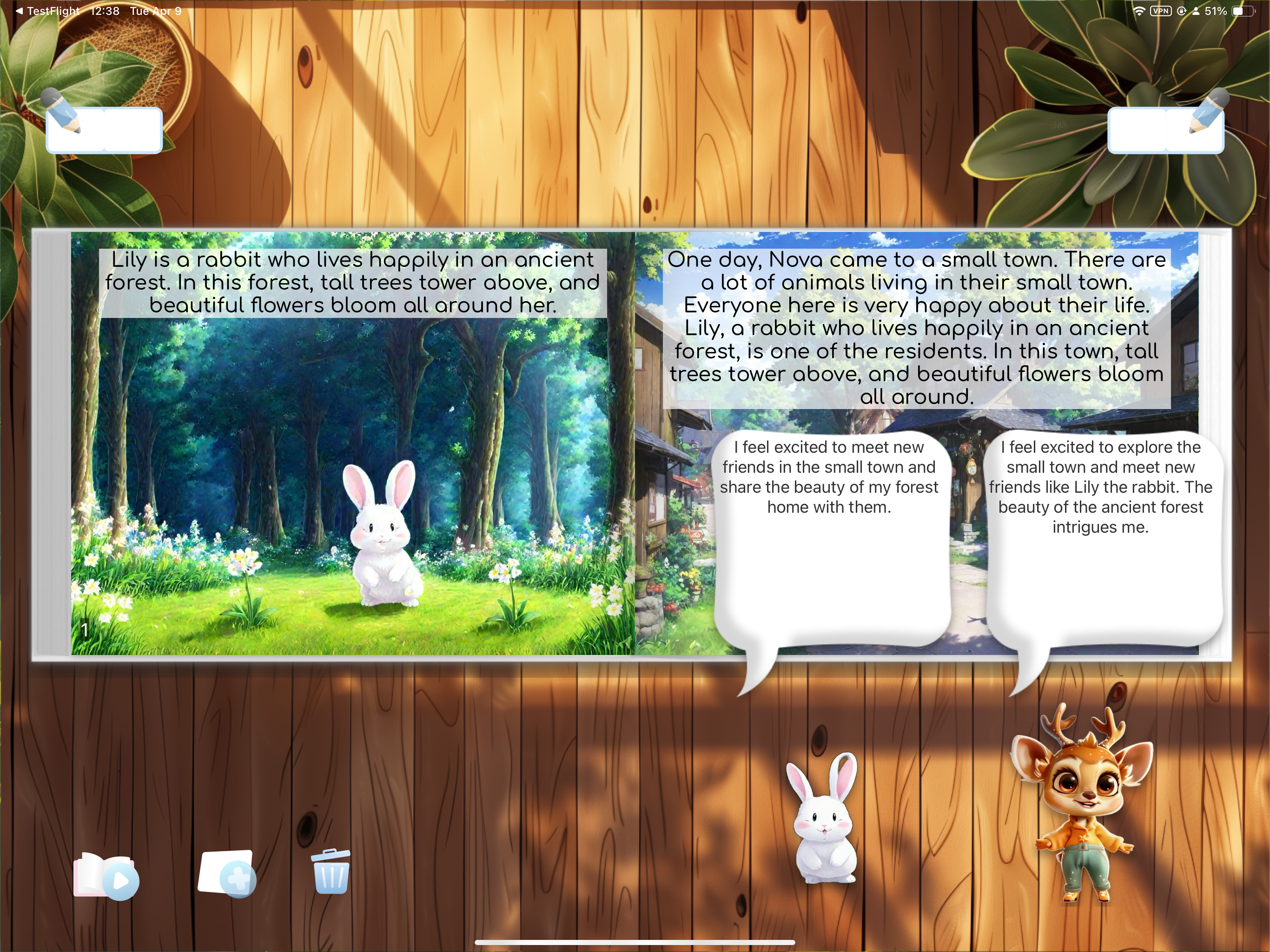
Request accessThe iPad app makes user-created characters part of the working surface: children can talk with them, discuss the storybook, and bring them into scenes.
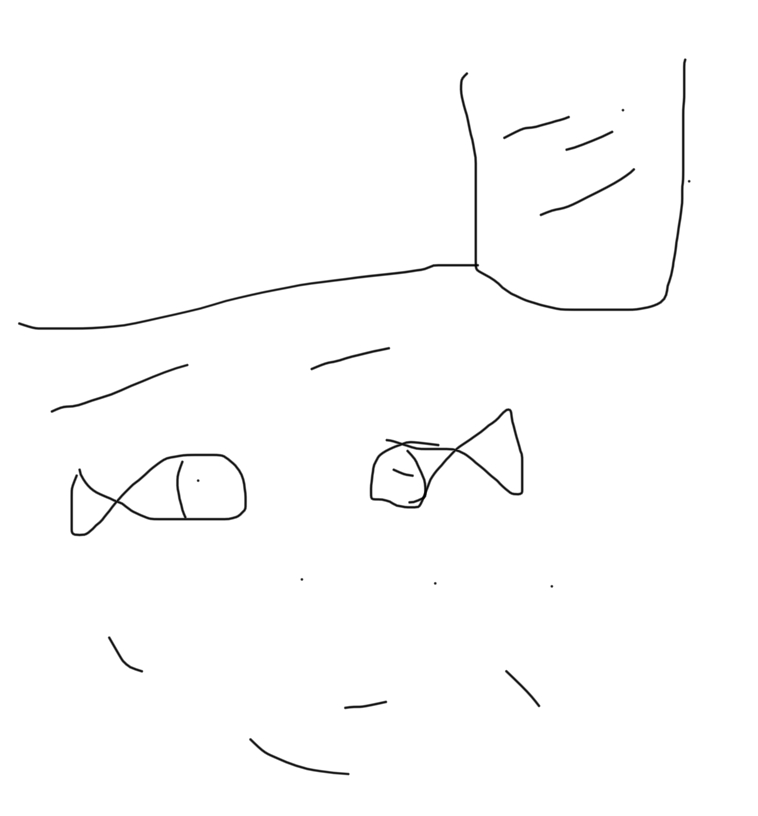
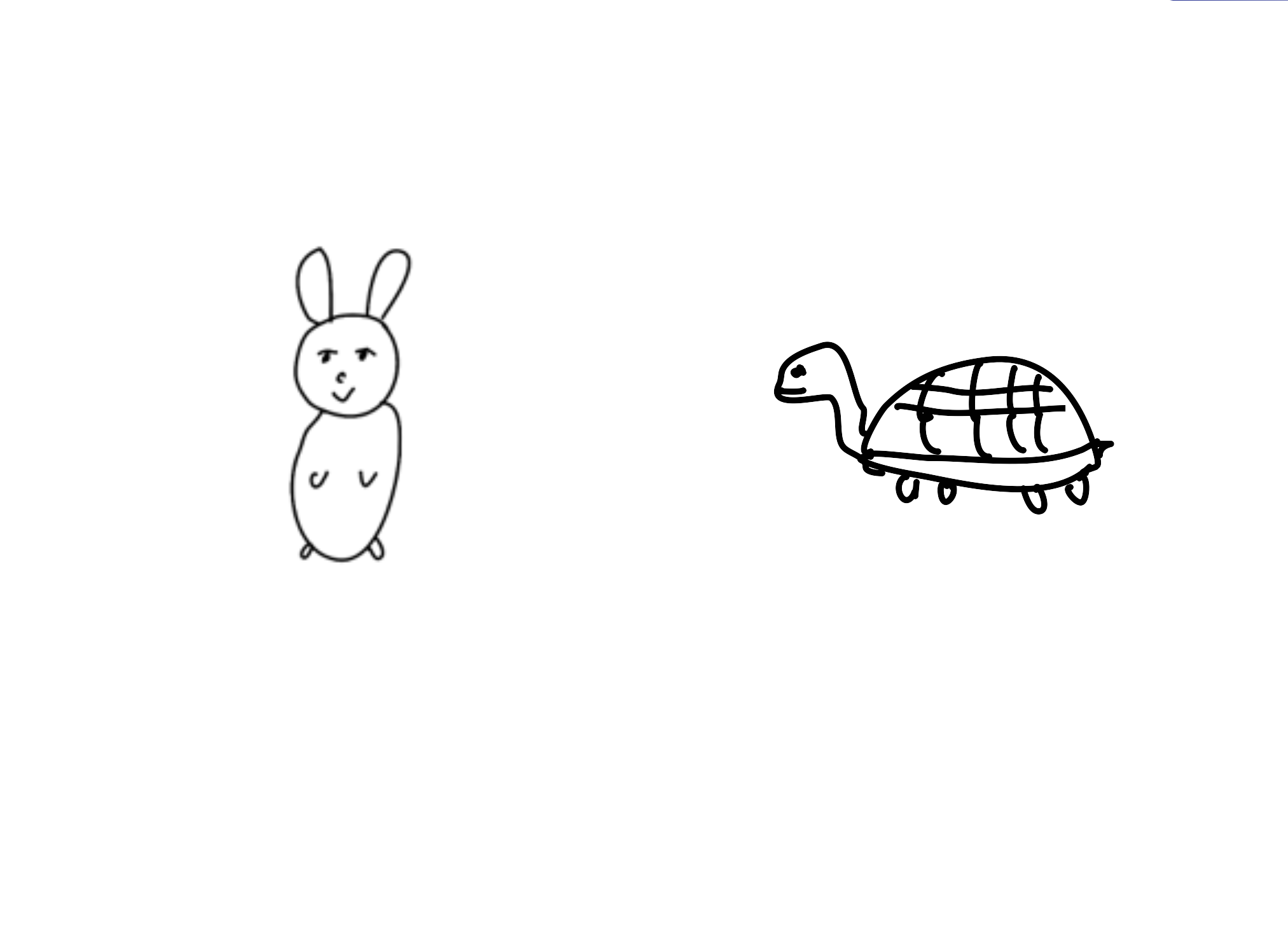
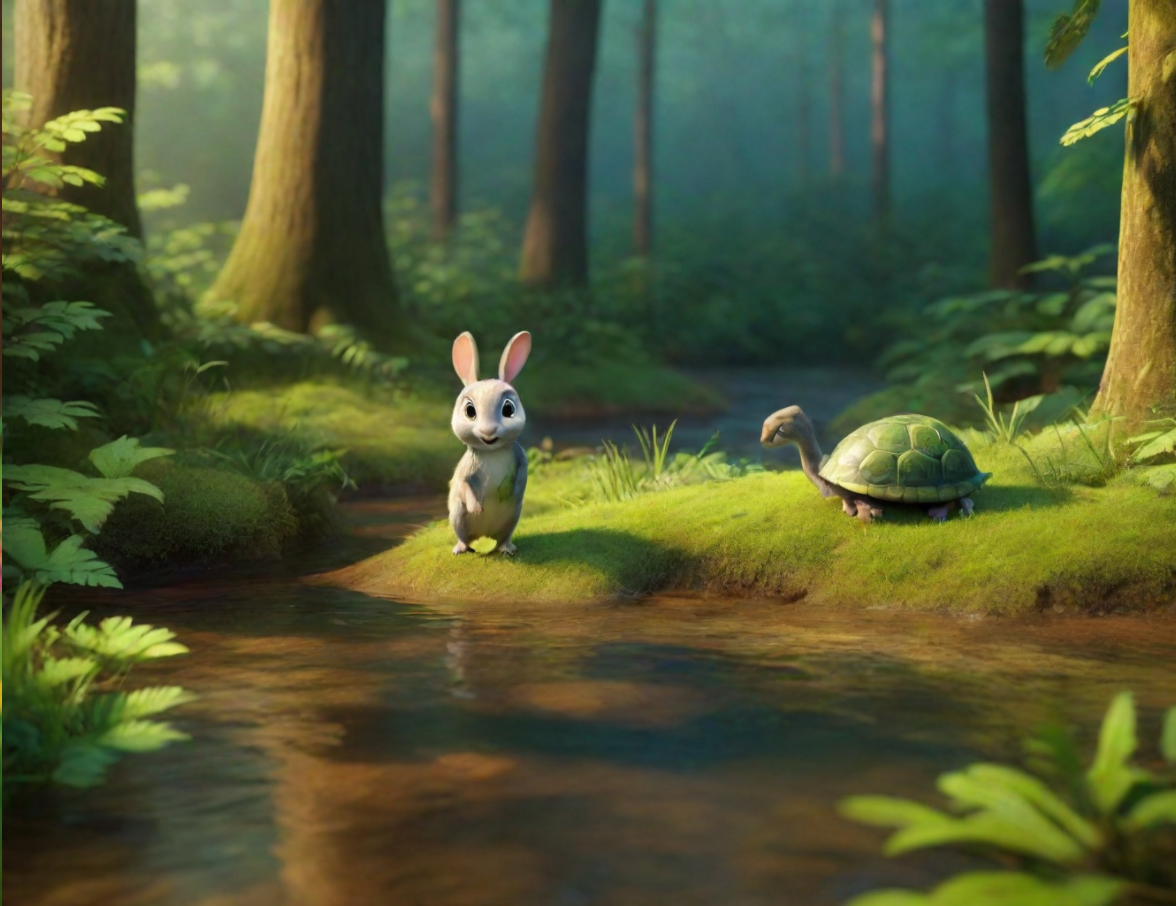
Pairs are presented as transformations so the viewer can see how simple child sketches become finished story imagery.

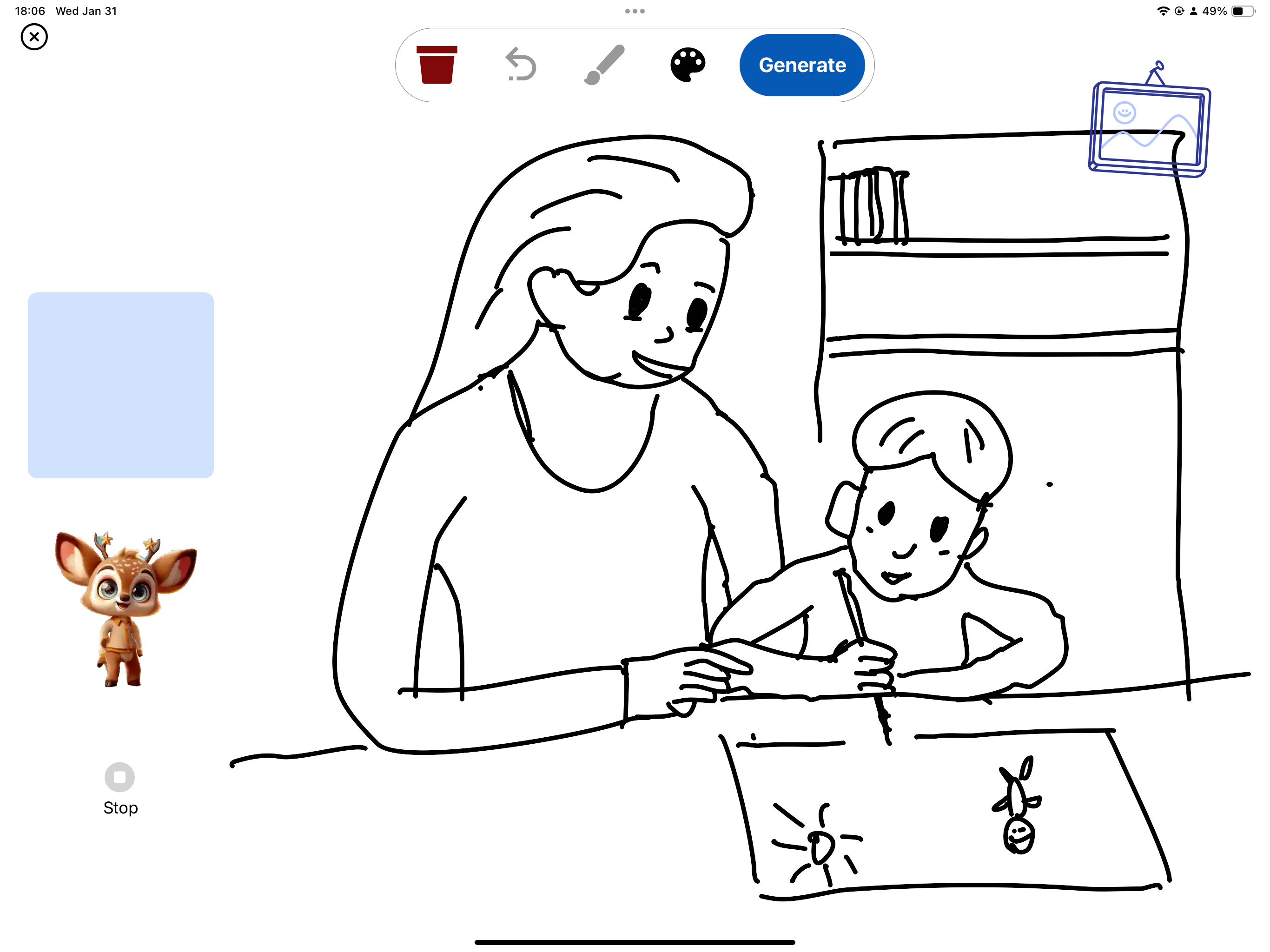
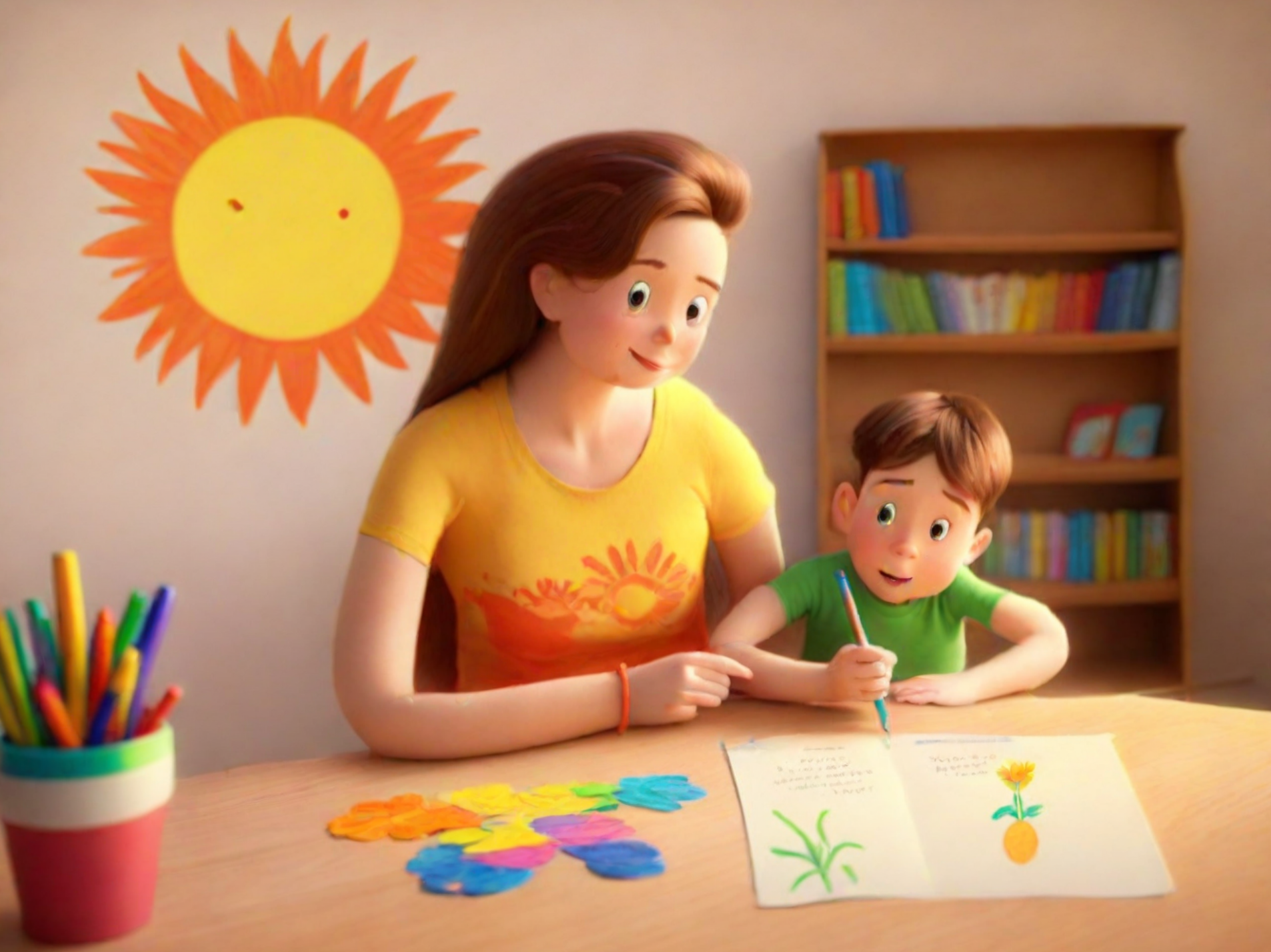
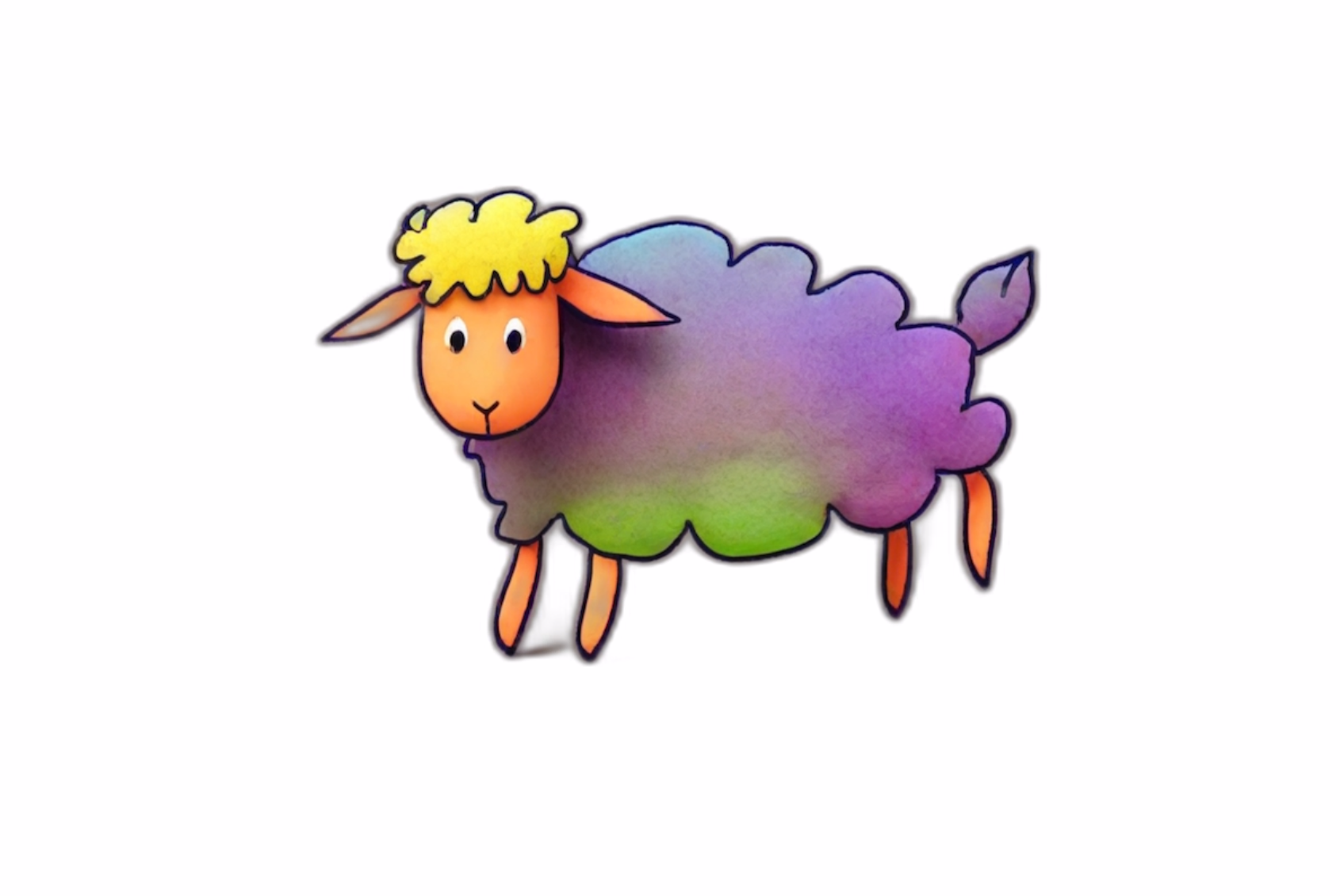
These three sheep outputs show style and attribute variation from the same sketch, making the image generation capacity easier to compare at a glance.
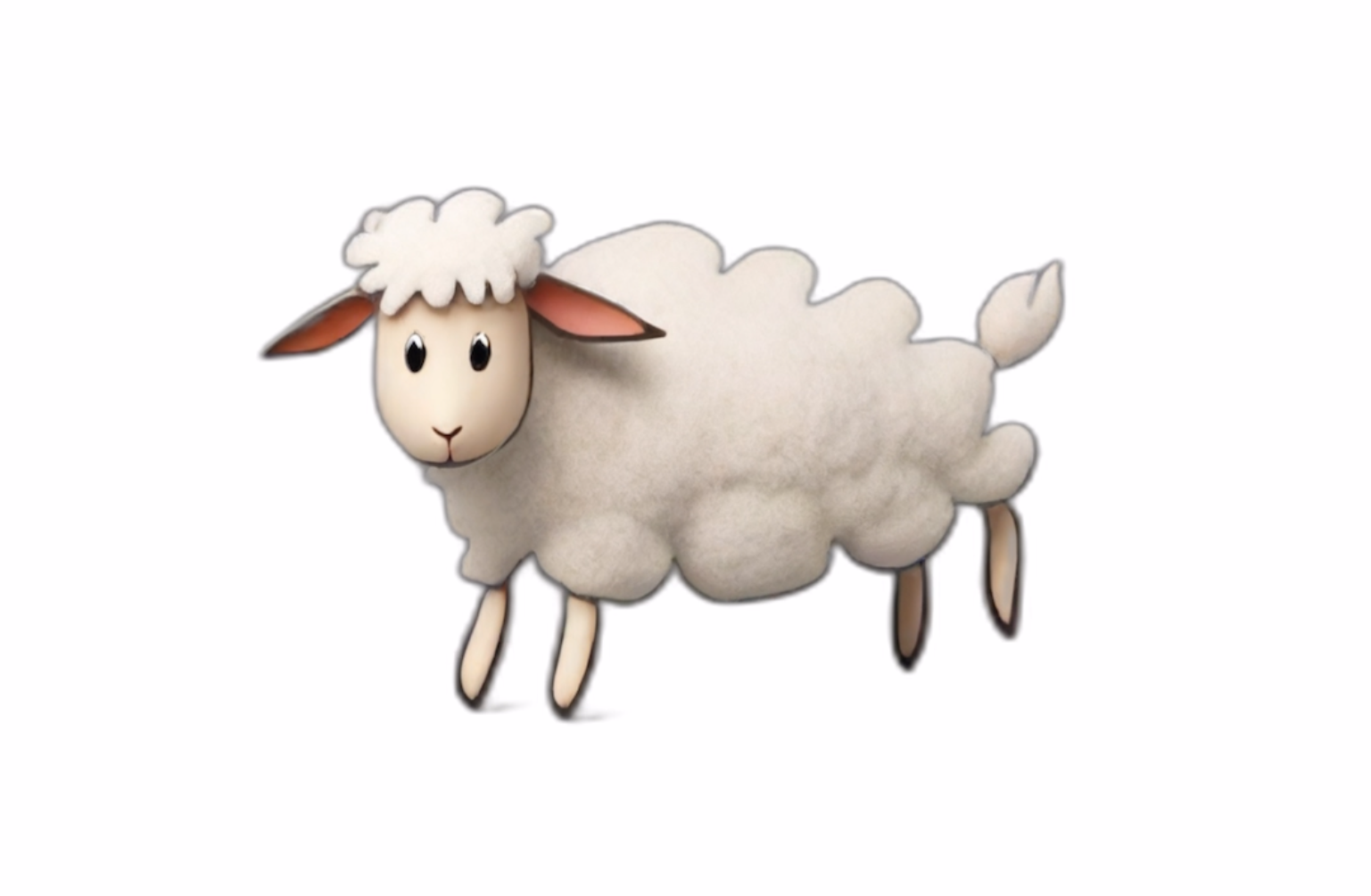
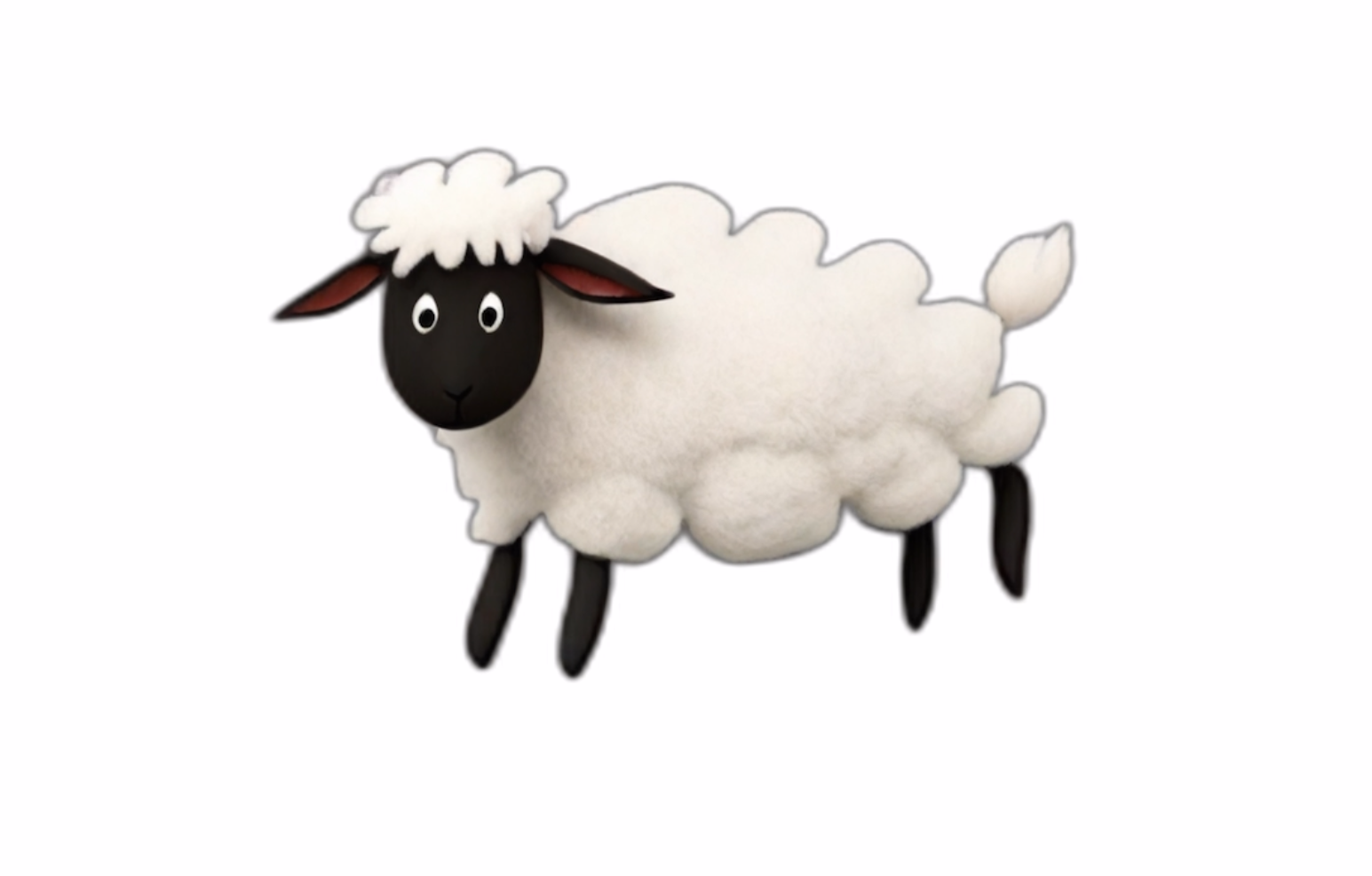
These explanation images show the feature surfaces in context; the workflow and agent logic are explained directly in the product narrative above.
.png)
.png)
.png)
.png)
Adaptive English learning through conversation, vocabulary help, and pronunciation practice.
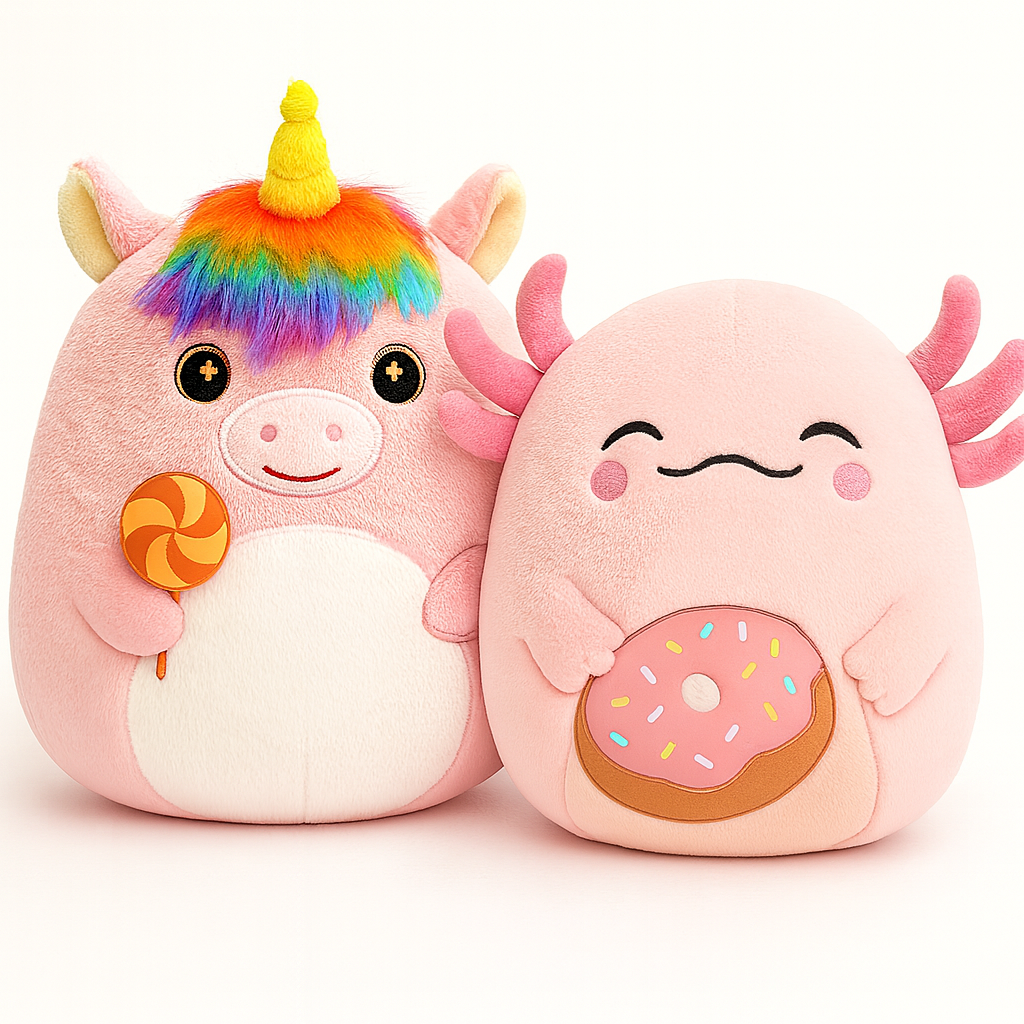
A screen-free plush AI companion for stories, play, and voice-centered conversation.
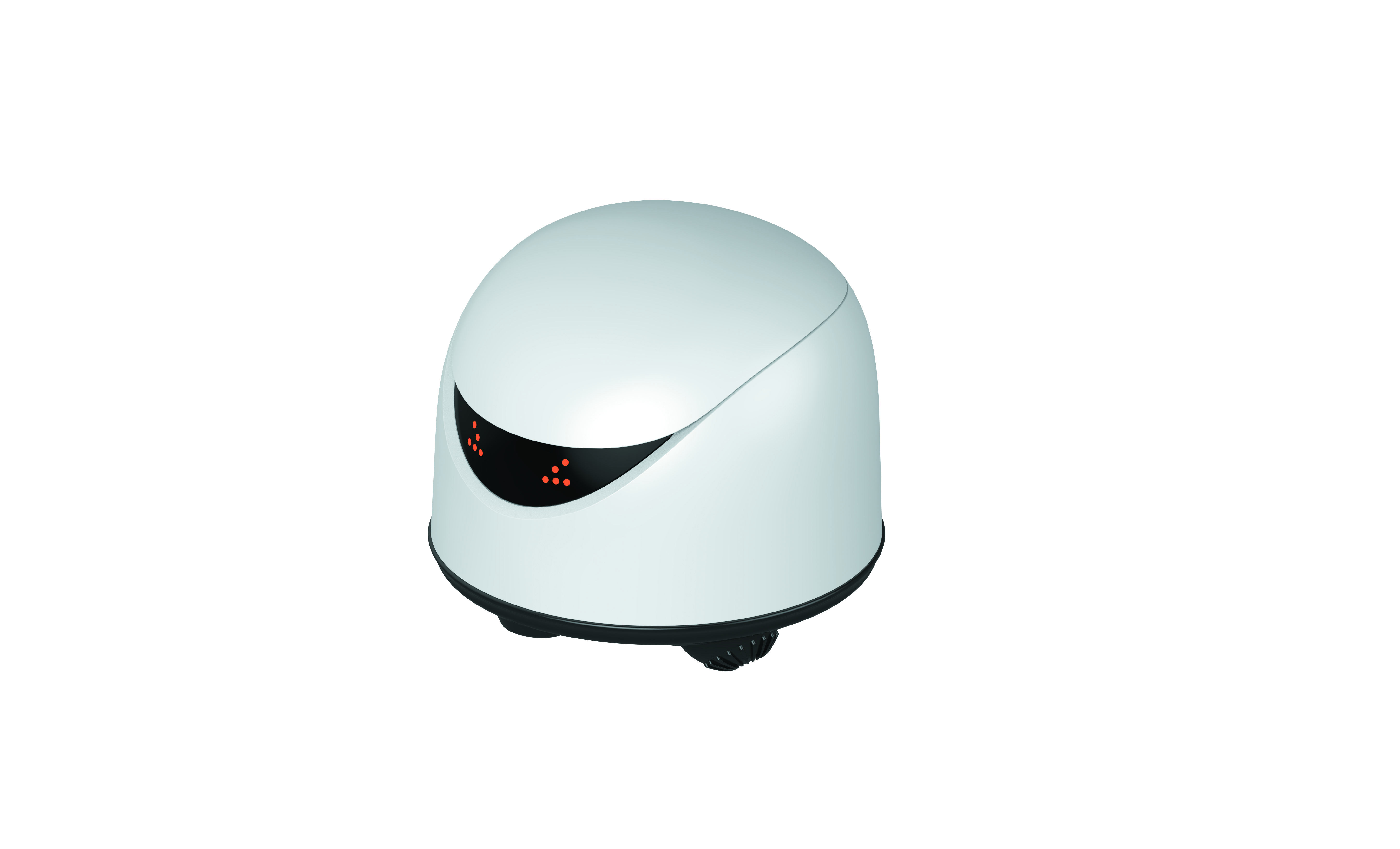
An embodied learning robot that connects poems, NFC characters, maps, stories, and decisions.